
ONDA Treatment in Korea: A Complete Guide to Body Contouring and Skin Tightening
ONDA treatment Korea is a revolutionary, non-invasive body contouring solution that uses focused ultrasound to gently melt stubborn fat while tightening your skin. This cutting-edge procedure works by delivering precise thermal energy deep beneath the surface, leaving the surrounding tissues completely unharmed. With zero downtime and a comfortable, spa-like feel, you can simply relax during each quick session and then walk right back into your day, watching your silhouette become smoother and more defined over the following weeks.

What Exactly Is ONDA and How Does It Differ From Other Skin Tightening Tech?
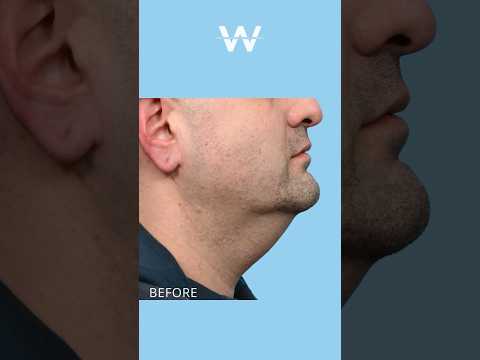
ONDA treatment Korea utilizes a unique microwave frequency that selectively heats the deep dermis to 70°C while cooling the surface, triggering immediate collagen contraction and long-term neocollagenesis. Unlike HIFU or RF needling, which rely on focused ultrasound or mechanical injury, ONDA’s volumetric heating targets fibrous septae and adipose tissue without piercing the skin, making it virtually painless. Compared to traditional laser resurfacing, it avoids epidermal ablation, so there’s no downtime or crusting. In Korean clinics, what ONDA is differs by its ability to tighten loose facial contours and submental fat simultaneously, whereas monopolar RF mainly firms surface layers. This makes it superior for patients seeking a “liquid facelift” effect—especially around the jawline and cheeks—without the discomfort or recovery associated with older tightening technologies.
The Science Behind the Microwaves: Why 4.5 MHz Matters for Your Skin Layers
Unlike radiofrequency or HIFU, ONDA’s 4.5 MHz microwave frequency exploits the dielectric properties of water within the dermis to generate heat volumetrically, bypassing the epidermis. This specific frequency penetrates to an average depth of 1–2 mm, precisely targeting the reticular dermis where collagen and elastin reside, while leaving the surface skin untouched. The result is immediate collagen contraction and delayed neocollagenesis, driving measurable tightening without downtime. Because 4.5 MHz is not absorbed by fat or muscle, energy remains confined to the skin layer, preventing unintended heating of deeper structures. This selective thermolysis is what makes ONDA distinct—it delivers controlled thermal damage exactly where skin laxity originates.

- 4.5 MHz matches the resonant absorption peak of dermal water, maximizing heat conversion at the target depth.
- The frequency’s shallow penetration protects subcutaneous fat and nerves from thermal injury.
- Controlled dermal heating at 65–70°C triggers collagen denaturation and remodeling, unlike the diffuse heating of other devices.
- No epidermal cooling needed—the microwave energy skips the surface entirely, reducing burn risk.
ONDA vs. HIFU and RF: Which Procedure Targets Loose Skin More Effectively?
When comparing ONDA vs. HIFU and RF for loose skin, think about depth and heat delivery. HIFU and RF primarily tighten by contracting existing collagen fibers, which works best on mild laxity. ONDA, using nanosecond microwave technology, targets deeper fat layers while simultaneously remodeling the dermis. This makes it more effective for moderate to severe looseness, especially around the jawline and lower face, because it addresses volume loss plus skin sag simultaneously. While HIFU/RF shine for superficial texture, ONDA’s unique bulk heating creates a more noticeable lifting effect in fewer sessions, particularly for thicker or aging skin.
For tackling true loose skin rather than just fine lines, ONDA generally outperforms HIFU and RF by combining fat reduction with deep collagen remodeling, delivering a more pronounced and lasting lift.
What Does a Single Session Feel Like? Pain Levels, Sensations, and Downtime Explained
A single ONDA session in Korea unfolds as a two-stage sensory experience. The initial cooling phase feels like a firm, cold pressure against the skin, followed by the hyperfrequency pulse—a deep, pinpoint heating sensation that intensifies in waves, resembling a hot Needle-less prickling rather than a sharp pain. Most patients rate discomfort at a 3–4 out of 10, with no anesthetic needed beyond a topical cream. The downtime is minimal: immediate redness and mild swelling around the treated area, peaking within two hours and subsiding by the next morning. You may feel a subtle, tight warmth for 24 hours, but no visible recovery period is required, allowing immediate return to normal activities. The thermal pulse sensation, while intense, confirms collagen contraction is occurring beneath the skin.
How Many ONDA Sessions Do You Actually Need for Visible Results?
For most patients seeking ONDA treatment in Korea, visible results typically require one to three sessions, depending on your skin’s baseline laxity and collagen response. Unlike aggressive lasers, ONDA’s microwave technology works by heating the deep dermis to trigger remodeling, so the initial improvement—usually a subtle lift and tighter pore appearance—appears around two to three weeks post-first session. However, optimal outcomes are generally achieved after a second session spaced four to six weeks apart, allowing collagen production to peak. A third session is reserved for those with significant fat bulging or advanced sagging, as ONDA also targets adipocytes. Crucially, most Korean dermatologists advise waiting eight weeks before judging final results, since collagen synthesis continues for months. Maintenance sessions every six to twelve months are recommended to sustain the effect, but three is rarely exceeded for a single treatment cycle.
Your First Session vs. Your Third: The Timeline for Collagen Remodeling
After your first ONDA session in Korea, you’ll notice mild tightness, but real change is still off-screen—your body is just starting to kick off the inflammatory healing phase. By week three to four, that initial plumpness fades, and you might worry nothing happened. That’s normal. Your **collagen remodeling timeline** really shows up around the third session, typically 6–9 weeks in, when fibroblasts shift into high gear. You’ll feel deeper skin laxity firming, and fine lines look less etched. The first session primes the tissue; the third delivers the visible lift, so patience between visits isn’t just a virtue—it’s the whole game.
First session sparks the repair; third session shows the remodel—collagen remodeling timeline means visible results only after cumulative heat stimulation, usually from treatment three onward.
Maintenance Schedules: How to Stretch Results Over a Full Year
After your initial ONDA series in Korea, a realistic yearly maintenance schedule typically involves two to three touch-up sessions spaced at four-month intervals. Most clinics recommend booking the first maintenance at the three-month mark to catch collagen remodeling before it plateaus, then reassessing skin laxity every quarter. Stretch results by combining a single ONDA pass with strict at-home SPF use and weekly hydration masks, which reduces the need for a full retreatment. If you notice dullness by month eight, a low-energy focal pass on the jawline or lower cheeks can bridge you to the twelve-month mark without starting a new series. Avoid scheduling maintenance more often than every ten weeks, as this does not accelerate collagen and only increases downtime costs.
Choosing the Right Clinic in Korea for Your ONDA Procedure
When you finally decide on ONDA treatment Korea, the clinic you choose becomes the quiet architect of your results. Walk past the glossy lobbies and instead ask how many ONDA sessions they’ve actually guided—the machine’s magic lives in the hand that steadies it. A skilled practitioner will adjust energy levels to your skin’s texture, not just follow a preset, so you feel a warm pulse rather than a sharp sting. Look for clinics where the consultation feels like a conversation about your jawline and pores, not a rushed sales pitch for package add-ons. Your recovery rhythm matters most: a thoughtful team schedules your follow-ups around your real-life healing, not their calendar.
The best ONDA clinics in Korea let you listen to your own skin’s story before they write the next chapter.
Trust the places that show you before-and-after photos of faces similar to yours, and where the technician’s calmness tells you they’ve done this a thousand times—without needing to brag.
Questions to Ask Your Provider About Machine Calibration and Probe Disposability
Before committing to an ONDA procedure in Korea, directly ask your provider how often the machine’s calibration is verified and whether they can show you the last calibration log. Calibration drift directly alters energy delivery, so a vague answer signals risk. For probe disposability, demand a clear “single-use only” confirmation—ask to watch them unwrap a fresh tip from sealed packaging. If they hesitate or mention “reprocessing,” walk away. Probe disposability and calibration verification are non-negotiable safety checkpoints that separate legitimate clinics from cut-rate operators.
Q: “Can I see your calibration certificate for today, and will you open a new probe in front of me?”
A: A confident clinic will instantly produce both. Any delay, excuse, or reference to shared probes is your cue to leave—your skin and safety depend on this exact transparency.
How to Verify You’re Getting a Genuine ONDA Treatment—Not a Copycat Device
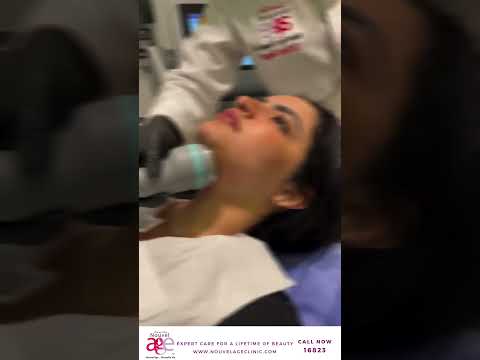
To confirm a genuine ONDA treatment, start by asking the clinic to show you the device’s physical console and handpiece before your session—the authentic ONDA system has a distinctive, futuristic design with a branded screen. Request the serial number and cross-check it with the manufacturer’s official registry via their Korean website or customer service line. Additionally, a real ONDA procedure requires a single-use, disposable tip that the clinician must unseal in front of you; copycats often reuse or substitute tips. You can also ask for a test pulse on a low setting—authentic ONDA delivers a precise, controlled microwave sensation without sharp pain. Verifying a genuine ONDA treatment hinges on these visible, confirmable details.
- Ask to see the device’s startup screen and logo animation.
- Confirm the serial number matches the manufacturer’s database.
- Watch the clinician unseal a new tip and calibrate the energy level.
Should You Combine ONDA with Fillers or Botox? Smart Sequencing Tips
Pairing ONDA with injectables in Korea can amplify results, but only if you sequence smartly. Since ONDA heats the deep dermis to shrink fat and tighten skin, doing it first—then waiting two to three weeks—allows swelling to settle and reveals your true contour before adding fillers or Botox. This prevents overfilling and ensures precise placement. For Botox, you can actually receive it on the same day as ONDA, as long as the treated areas don’t overlap heavily; many Seoul clinics recommend Botox first to relax muscles, then ONDA for overall texture. However, **never combine ONDA with fillers in the same session**—the thermal energy can accelerate product breakdown. Always confirm your Korean clinic’s protocol, as some prefer a four-week gap for optimal collagen remodeling.
Q: Can I get ONDA and fillers on the same visit in Korea?
A: No—clinics advise separating them by at least two to three weeks, with ONDA first, to avoid heat-induced filler diffusion and achieve balanced, natural-looking results.
Pre-Treatment and Post-Treatment Protocols That Maximize Your Investment
To maximize your investment in ONDA treatment Korea, disciplined pre-treatment protocols are non-negotiable. Skip retinol, acids, and exfoliating scrubs for five days prior, and avoid direct sun exposure or any salon peel. Hydration is critical—drink two liters daily and arrive with clean, makeup-free skin, as ONDA’s selective micro-thermal energy penetrates optimally on a calm, lipid-balanced barrier. Post-treatment, your protocol dictates results: apply the provided cooling gel immediately, then use only mineral SPF50 for the next week, reapplying every two hours. Do not pick at micro-crusts, which signal collagen remodeling beneath. Sleep on a fresh silk pillowcase and postpone intense workouts for 48 hours to limit inflammation. Crucially, book your touch-up at week three and follow a strict ceramide-based moisturizing regimen. These post-treatment protocols transform ONDA’s downtime into firm, lifted outcomes, ensuring every session’s cost translates into visible, lasting return.
Skincare Ingredients to Avoid in the Week Leading Up to Your Appointment
In the week before your ONDA treatment in Korea, deliberately pause all retinol, tretinoin, and prescription-strength vitamin A derivatives, as these compounds strip the stratum corneum and amplify thermal sensitivity during radiofrequency delivery. Also halt alpha-hydroxy acids (glycolic, lactic) and beta-hydroxy acids (salicylic), along with any vitamin C in L-ascorbic acid form, because their exfoliating action creates micro-fissures that can turn controlled dermal heating into unpredictable irritation. Steer clear of benzoyl peroxide and harsh physical scrubs containing walnut or charcoal particles, which leave microscopic abrasions. Instead, switch exclusively to ceramide-based moisturizers and gentle cleansing water. This strategic pause—your **seven-day ingredient reset protocol**—ensures the ONDA handpiece targets intact, resilient skin, allowing your practitioner to safely maximize energy delivery without defensive inflammation compromising your final result.
Why Sleeping on Your Back for 72 Hours Post-Treatment Speeds Up Skin Retraction
Maintaining a strictly supine position for 72 hours post-ONDA treatment directly optimizes the thermal contraction window. Because ONDA’s focused microwaves heat deep dermal layers, the collagen fibrils shrink immediately, but the surrounding extracellular matrix remains temporarily pliable. Uninterrupted back sleeping prevents mechanical distortion of these newly tightened fibers, allowing them to re-adhere to the deeper fascia without gravitational pull or facial compression. When you side-sleep, lateral pressure folds the treated skin, forcing the retracting collagen to bind in a crumpled orientation. Supine positioning also ensures even lymphatic drainage across the face, reducing edema that would otherwise stretch the skin and counteract the volumetric reduction. This 72-hour rule locks in the structural reset before natural elastin remodeling begins.
Boosting Lymphatic Drainage: At-Home Tools and Massage Techniques to Enhance Results
To amplify your ONDA results in Korea, treat lymphatic drainage as your daily rituals before and after each session. Start with a silicone cupping set or a dry brush—always sweep toward your collarbone and groin, using light pressure for five minutes. A handheld percussive massager on low settings can break up stagnation, but keep it gentle, never painful. For the face, use a jade roller or gua sha stone chilled in the fridge; glide upward along the jawline and cheekbones. Hydration is non-negotiable—drink warm water with lemon to flush fluids. Pair these with deep breathing (diaphragmatic, not chest) to pump your lymph naturally. Do this twice daily, and you’ll notice less swelling and faster skin tightening.
Speed up detox before and after ONDA by stacking these tools in this exact order: dry brush → massage gun on calves and thighs → gua sha for the face → 10 minutes of legs-up-the-wall. This sequence maximizes fluid movement.
Q: How soon after ONDA should I start lymphatic massage?
Wait at least 24 hours to let your skin settle. Then begin with very light, non-friction strokes for two days, progressing to medium pressure. Avoid the treated area directly—only massage surrounding zones to redirect fluid away.
Managing Realistic Expectations: What ONDA Can and Cannot Fix for Your Face and Body
When you book an ONDA treatment Korea session, the outcome hinges on what the microwave energy actually targets. ONDA excels at shrinking deep facial fat—think submental fullness, jowls, and lower-cheek puffiness—while also tightening lax skin through controlled dermal heating. It cannot, however, dissolve visceral fat, reshape bony structure, or erase heavy sagging that requires a surgical lift. For realistic expectations, understand that ONDA delivers subtle, gradual contouring over 2–3 sessions, not dramatic before-and-after transformations. It also won’t fix cellulite on thighs or address active acne scars, as its wavelength focuses on thermal remodeling, not resurfacing. In Korea, clinics often pair ONDA with RF or ultrasound for synergy, but honest managing realistic expectations means accepting its limits: great for early-to-mid skin laxity and localized fat, useless for severe ptosis or obesity.
Body Areas Where ONDA Works Best: Abdomen, Arms, and Inner Thighs
When targeting stubborn fat deposits, ONDA body sculpting in Korea demonstrates its most reliable outcomes on the abdomen, arms, and inner thighs. The abdomen responds particularly well because the device’s controlled microwave energy uniformly heats subcutaneous fat, enabling measurable circumference reduction without damaging overlying skin. Arms, being smaller and more contoured, require precise energy calibration, but ONDA’s adjustable depth settings allow safe treatment of bra-line bulges and tricep laxity. Inner thighs benefit from the applicator’s ability to conform to curved surfaces, addressing the often-resistant medial fat pad with minimal discomfort. *However, results depend heavily on maintaining stable weight post-treatment, as these areas serve as primary fat storage sites during metabolic fluctuations.*
- Abdominal treatments typically require 2–3 sessions spaced four weeks apart for visible waistline tightening.
- Arm contouring suits those with mild-to-moderate fat, not severe skin laxity.
- Inner thigh sessions reduce friction-related discomfort during walking or exercise.
- Localized swelling peaks at 72 hours, then subsides within two weeks.
Who Are the Ideal Candidates—and Who Should Look for a Different Treatment?
The ideal candidates for ONDA in Korea are individuals with mild-to-moderate submental fat (a soft double chin) or lax, crepey skin on the body who want a non-surgical alternative to liposuction. Your skin must still possess sufficient elasticity to contract after the thermal energy disrupts fat cells—typically younger patients or those with good collagen reserve. You should also have realistic goals: ONDA tightens and reduces volume gradually over 8–12 weeks, not overnight. Look for a different treatment if you have heavy, fibrous fat deposits, severe skin laxity, or a history of neck surgery. Additionally, avoid ONDA if you are pregnant, have ONDA lifting seoul an active infection, or use blood-thinning medication. For surgical-grade contouring or dramatic weight loss, liposuction or a lift remains more appropriate. A clinical consultation with a Korean dermatologist is essential to confirm your candidacy.
Common Side Effects You Might Experience (And How to Soothe Them Quickly)
Right after ONDA treatment in Korea, expect temporary redness and a warm, sunburn-like sensation—this typically fades within a few hours, but you can speed it up by applying a cool gel pack wrapped in a soft cloth for five-minute intervals. Mild swelling, especially around the jawline, is common for 24–48 hours; sleeping with your head elevated on an extra pillow dramatically reduces morning puffiness. Some patients notice slight skin dryness or flaking as the deep dermal layer remodels—combat this by layering a fragrance-free ceramide moisturizer immediately after cleansing and avoiding any active serums for three days. Rarely, tiny pinpoint scabs appear where the handpiece concentrated energy; leave them alone and dab on petroleum jelly to let them heal naturally. Fast side-effect relief depends on cooling and hydration, never heat or harsh scrubs.
Quick soothing relies on immediate cooling, elevation to curb swelling, and barrier-repairing moisturizers to ease redness and dryness after ONDA.
